DOWNTOWN WALLA WALLA FOUNDATION
Supporting a strong, welcoming downtown by strengthening local businesses, caring for public spaces, and creating experiences that bring people together.
About
We are the Downtown Walla Walla Foundation, a 501(c)(3) nonprofit organization.
For more than 40 years, we’ve worked alongside businesses, property owners, and community partners to support a healthy downtown economy and a place people want to spend time.
Our Approach
Our work is guided by the Main Street America approach, used in more than 2,000 communities nationwide to support local economies and strengthen downtowns.
In Downtown Walla Walla, this means:
Supporting local businesses
Keeping downtown clean, safe, and functional
Activating spaces and filling storefronts
Bringing people downtown through events and programs
Coordinating efforts across downtown
What We’re Working On
Supporting connections with businesses and the community
Addressing vacant and underused spaces
Making it easier to open and operate a business downtown
Improving coordination across downtown partners
Our Vision
A downtown where people feel welcome, local businesses succeed, and the community comes together year-round.
Mission
To promote the history, culture, and commerce of downtown Walla Walla.
Downtown Walla Walla is powered by people.
Our staff, board, and volunteers bring a range of experience and perspectives to the work.
Downtown Walla Walla Foundation Staff
-
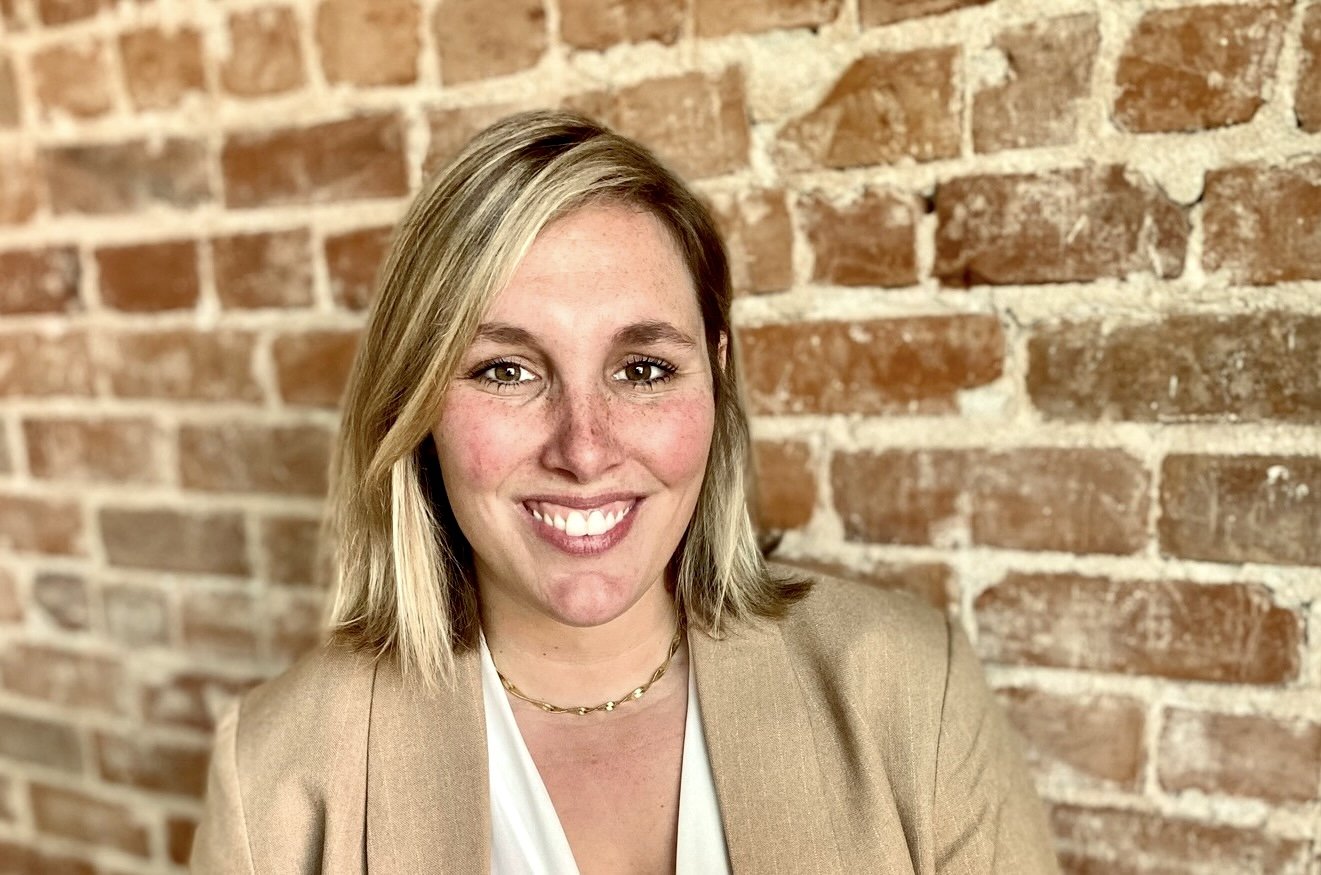
Mallory Nash
Executive Director
(509) 529-8755
mallory@downtownwallawalla.com -
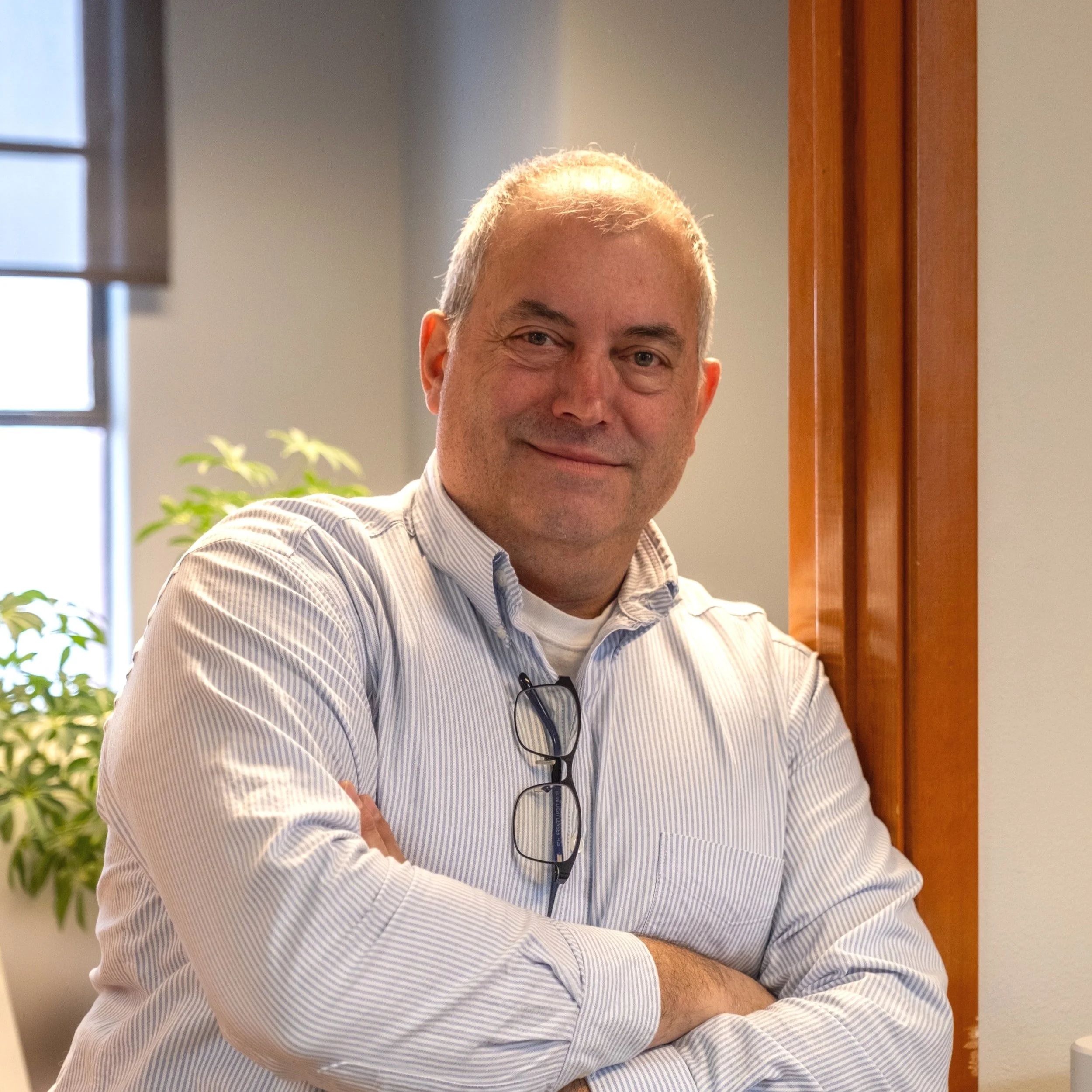
Alex Heiser
Operations Manager
(509) 529-8755
alex@downtownwallawalla.com -
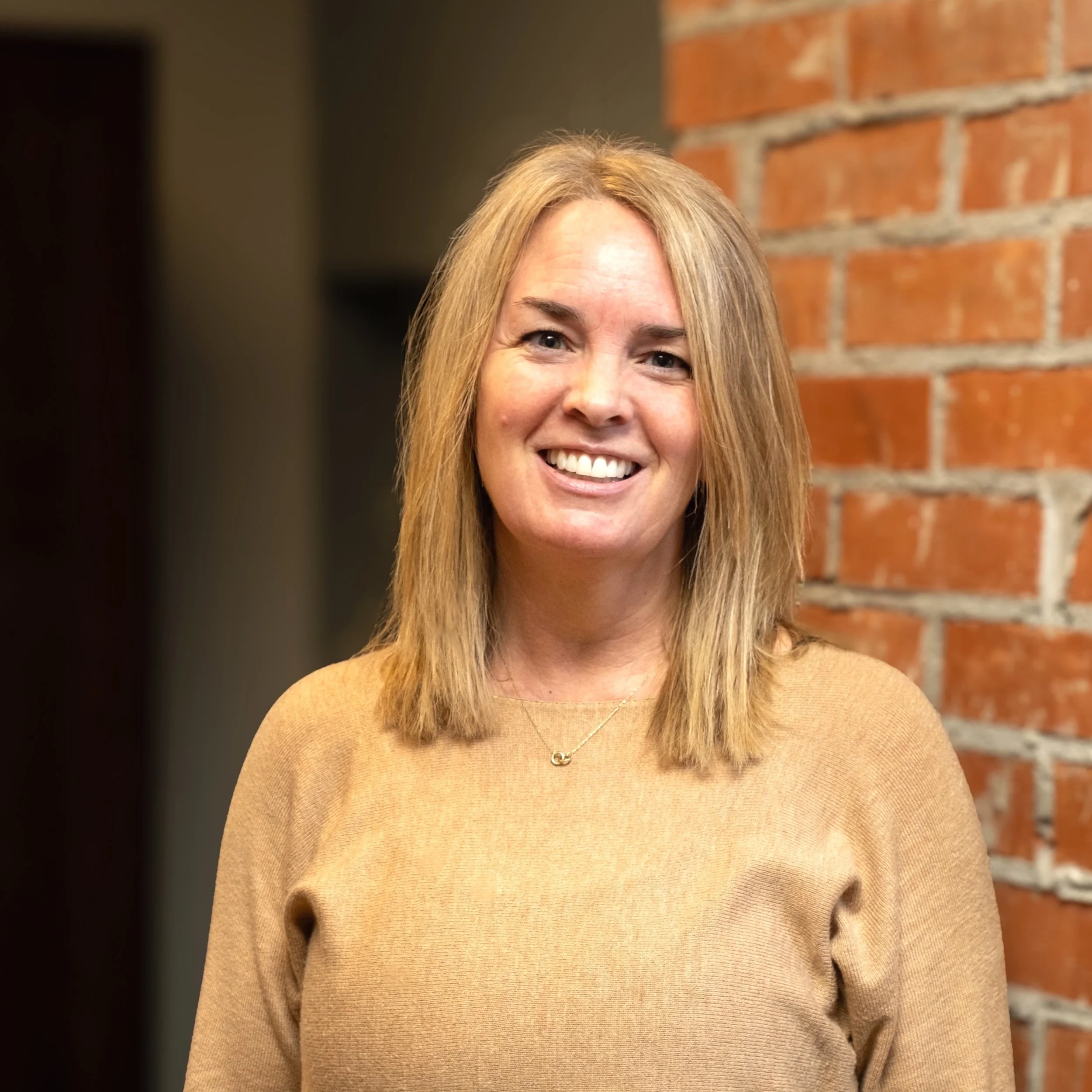
Cindy Frost
Events & Marketing Director
(509) 529-8755
cindy@downtownwallawalla.com
Board of Directors
The board provides direction and accountability for the organization, helping guide priorities and long-term decisions.
Directors bring experience from small business, education, nonprofits, real estate, the arts, and more, ensuring our work reflects the needs of the downtown community.
-

Bethany Applegate
Board President
Baker Boyer Bank, Family Associate Supervisor -

Art Seavey
Vice President
Noble Disorder, Owner -
Brandi Hamman
Treasurer
Columbia Bank, Vice President/Branch Manager -
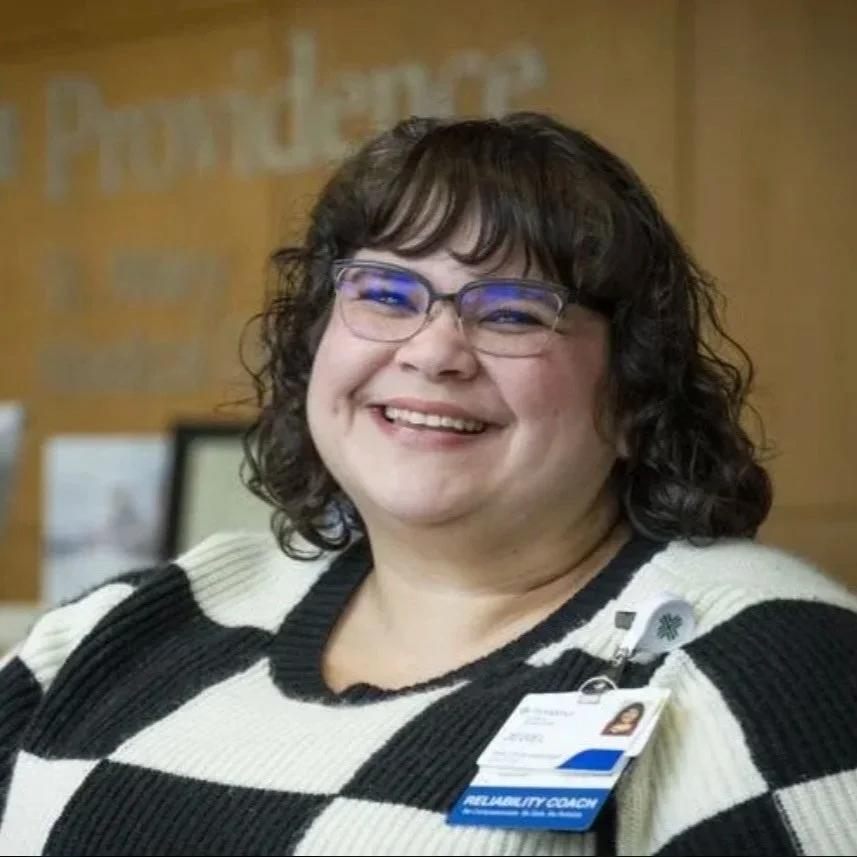
Jewel Kietponglert
Secretary
Providence St. Mary Medical Center, Executive Assistant
-
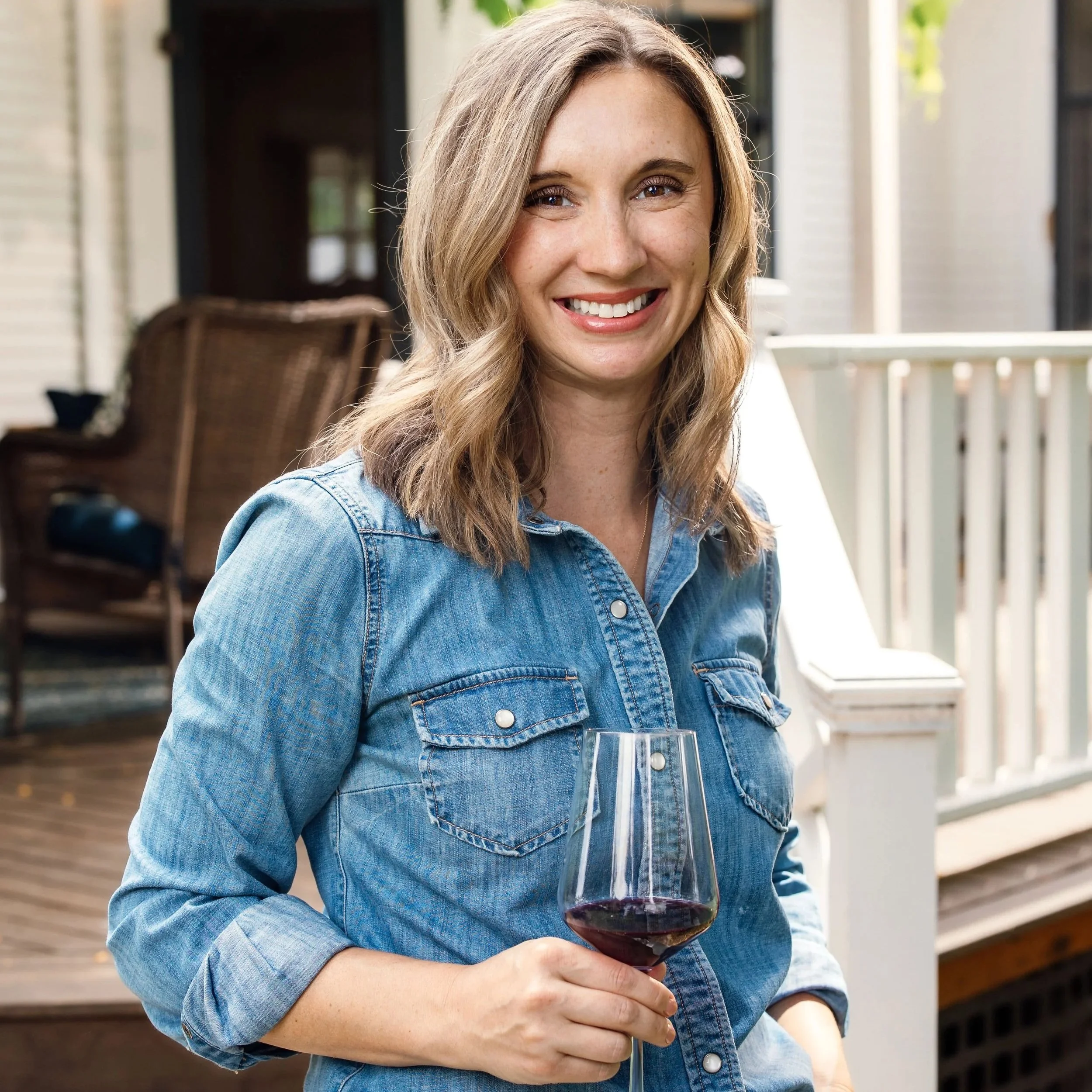
Chelsea Tennyson
The Drayman House, Owner
-
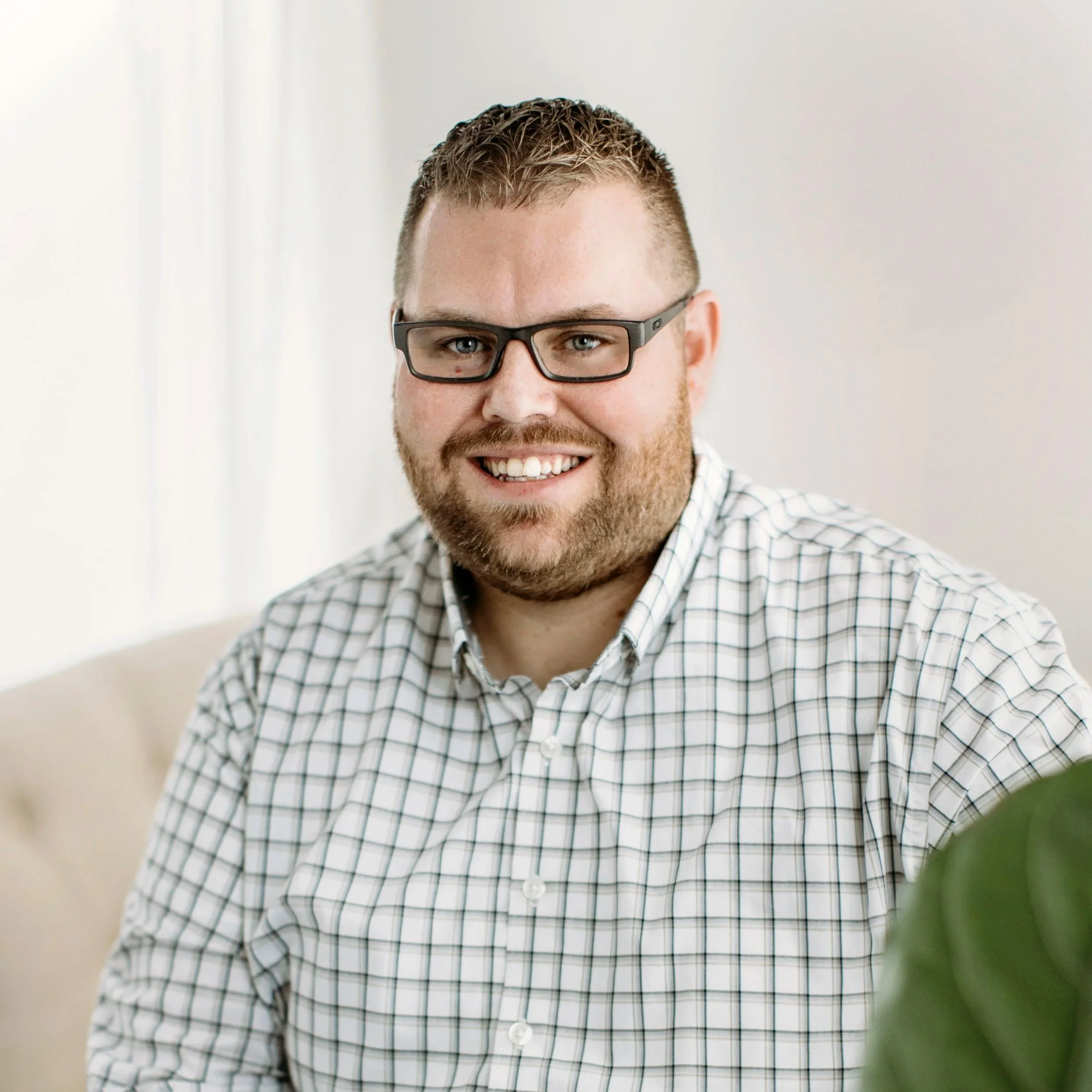
Phillip Provost
The Provost Real Estate Team, Owner/Broker
-
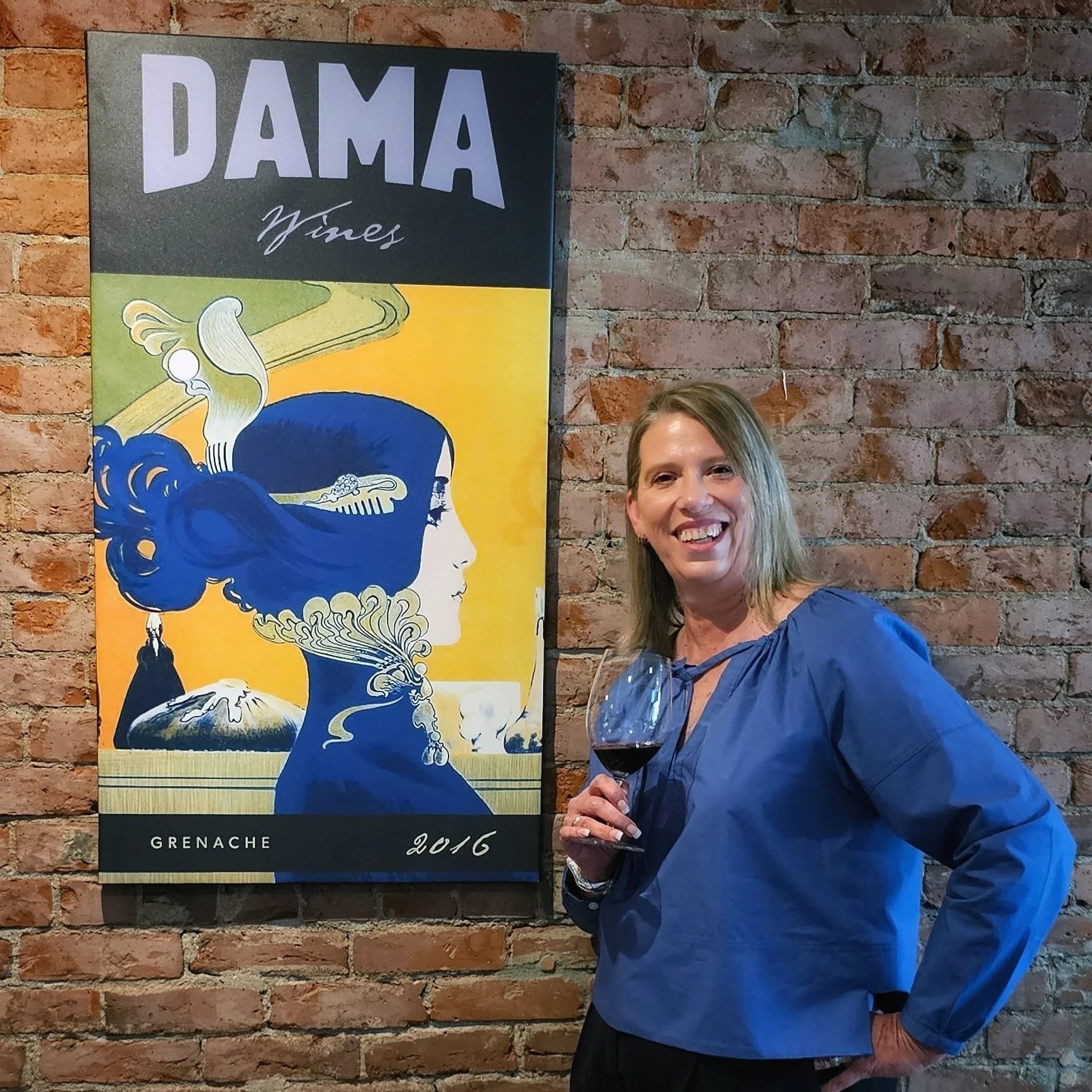
Lori Mitchell
DAMA Wines, Marketing & Private Events Manager
-
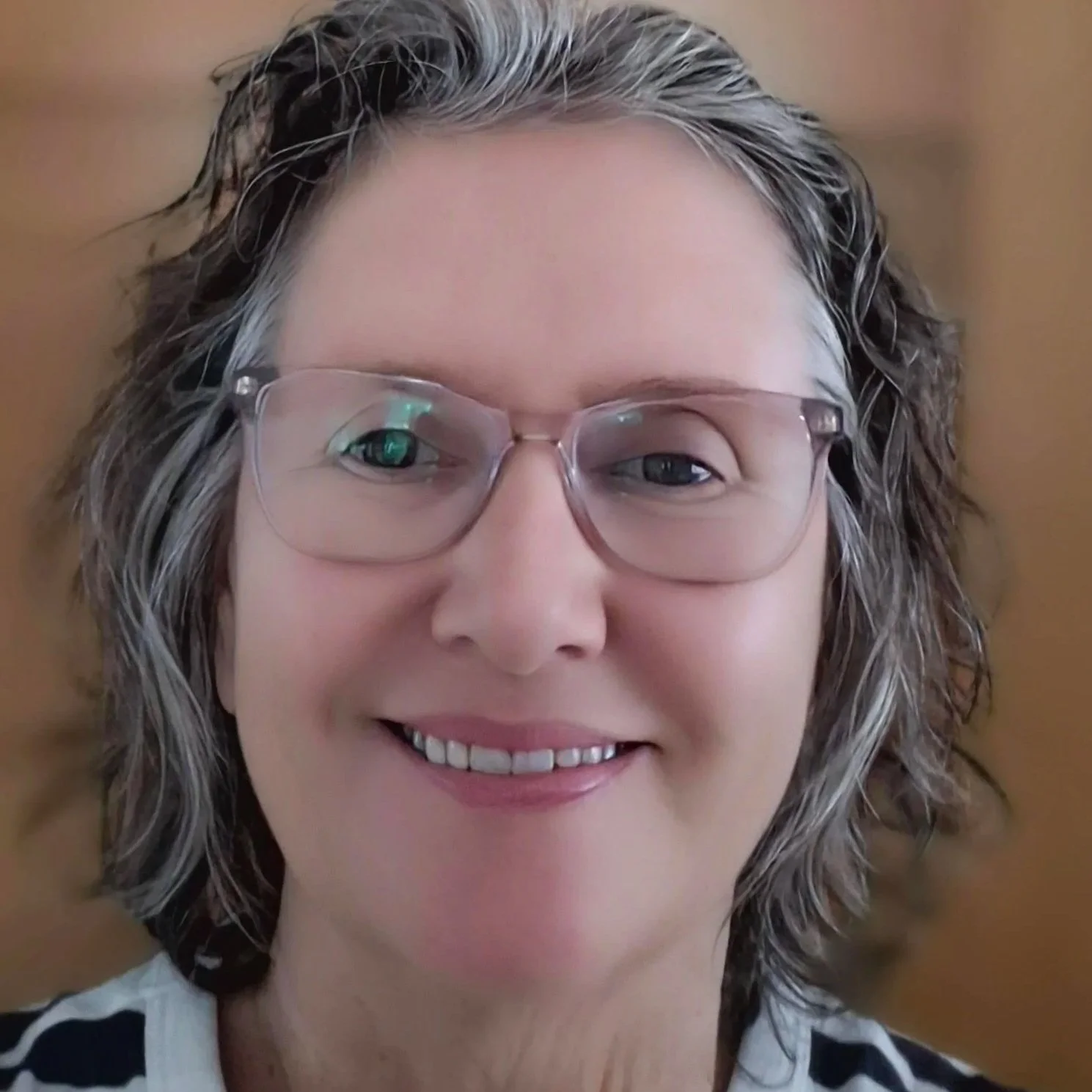
Dr. Patricia Coyman
Walla Walla Odd Fellows, Geriatrician
-

Rodney Outlaw
Walla Walla Community College, Audio Engineering Instructor
-
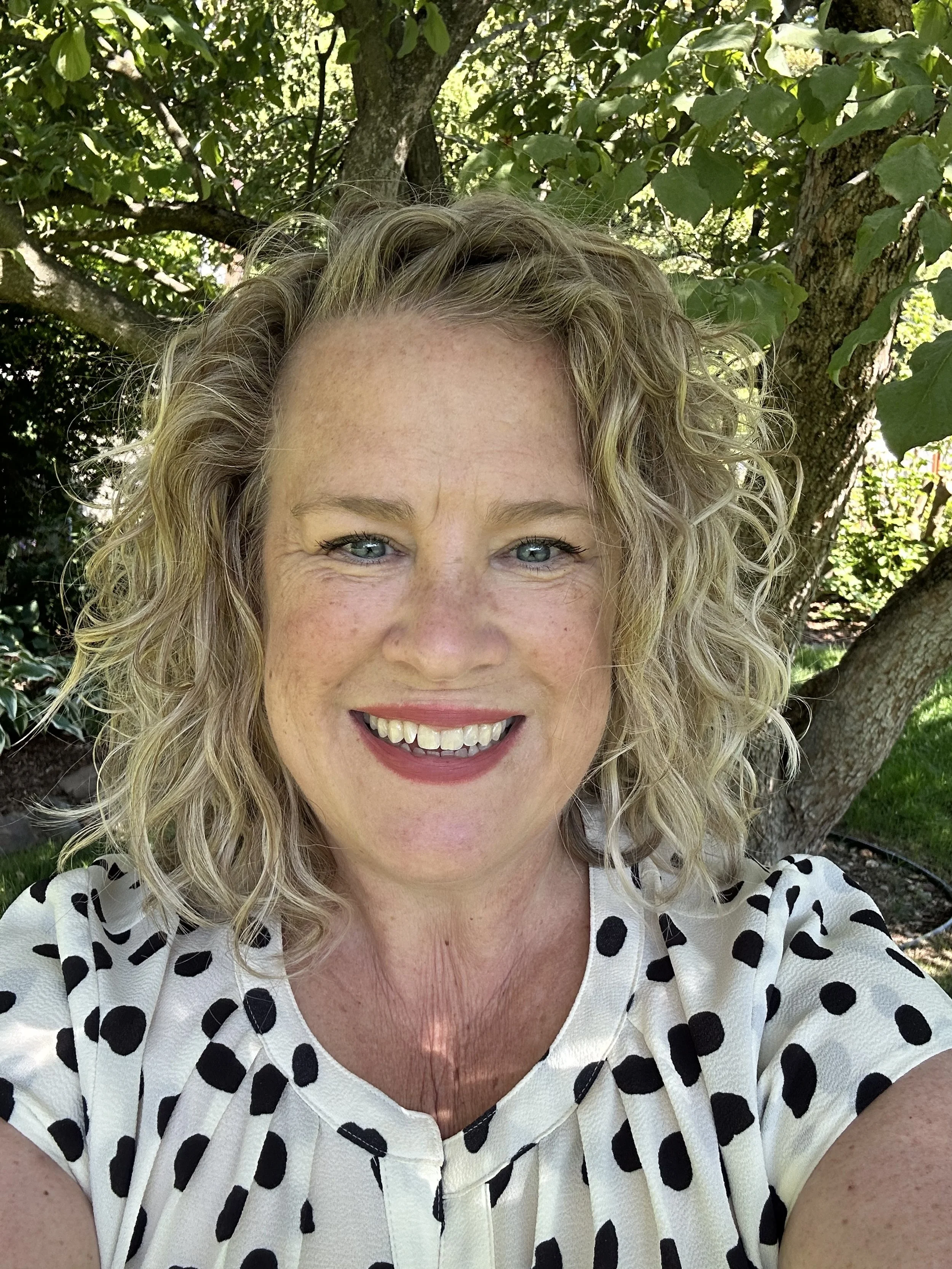
Jennifer Marshall
Burwood Brewing, owner
Our History and How Our Role Has Evolved
As downtown has matured, so has our role. What began as project-and event-focused work has evolved into broader district-wide coordination. Today, we balance established programs and events with longer-term planning, partnership building, and stewardship of downtown as a shared community asset.
This evolution reflects both the growth of downtown and the principles of the Main Street approach: building on local strengths, adapting over time, and working collectively. Our work continues to shift toward shared leadership, coordinated planning, and aligning
-
In the 1970s, downtown Walla Walla experienced declining activity, vacancy, and disinvestment. In response, community leaders formed the organization in 1984, originally as the Walla Walla Main Street Foundation, to help stabilize and reactivate the district.
Early efforts focused on rebuilding confidence in downtown through visible improvements and activity. This included launching events, supporting façade improvements, installing banners, and participating in early redevelopment planning. These actions signaled that downtown was worth reinvesting in and helped lay the groundwork for broader change.
-
As momentum grew, the 1990s marked a period of significant physical change. Downtown underwent major infrastructure and streetscape improvements through the Local Improvement District process, alongside public art, park development, and building rehabilitation.
During this period, how downtown functioned evolved. Streets, sidewalks, parking patterns, and public spaces were adapted over time to support increased activity, walkability, and business access. The Foundation’s role centered on coordination, engagement, and implementation, helping stakeholders navigate a changing downtown rather than directing policy or standards.
-
With renewed vitality, downtown entered a phase focused on sustainability and long-range planning. Development guidelines, preservation tools, and a 20-year Downtown Master Plan were adopted through city-led processes, reflecting a maturing district balancing growth with historic character.
During this era, the Downtown Walla Walla Foundation supported business retention, housing expansion downtown, continued building rehabilitation, and signature programs that strengthened downtown’s identity. National recognition followed, including the Great American Main Street Award and honors for economic restructuring and preservation.
-
As downtown stabilized, the Foundation’s work increasingly focused on programs that generated consistent economic activity and opportunity. The Downtown Farmers Market, launched in 1997, grew into a self-sustaining economic engine supporting local producers, entrepreneurs, and downtown foot traffic.
Vendor success stories, including businesses transitioning from market stalls to brick-and-mortar locations, reflect how downtown programs began functioning as incubators for small business growth rather than one-time activations.
-
The pandemic underscored downtown’s role as a shared civic space. In response, the City of Walla Walla and the Downtown Walla Walla Foundation collaborated to create what became Walawála Plaza, first as a temporary solution and later as a permanent public gathering space shaped by broad community and Tribal input.
The Confederated Tribes of the Umatilla Indian Reservation provided technical assistance and guidance on how to design the space to honor their people. The permanent space, completed in May 2023, is called Walawála Plaza, meaning “many small streams” in the indigenous Sahaptin language.
Recent investments, including Walawála Plaza and the renovation of Heritage Square, reflect the Foundation’s current role as a long-term steward of downtown places. Today’s work emphasizes resilience, inclusivity, economic opportunity, and ensuring downtown remains a place for everyday life as much as special events.
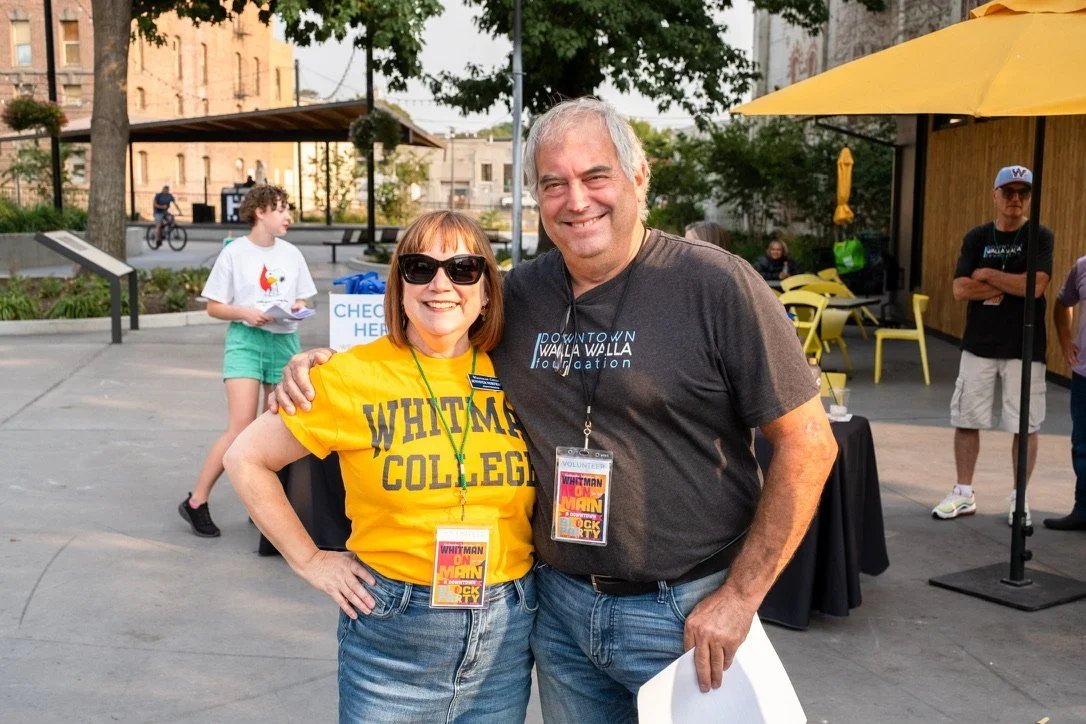
Become a Downtown Volunteer
Join a Downtown Committee
Donate to the Foundation
Get in touch.